

Let’s assume you’ve got your rifle set up, you’re feeling confident, and you’re planning for your western hunt for the fall. You’ve put in the work and E-scouted your area the best you can and have transitioned to thinking about essential gear you need to buy before your hunt. What else could I possibly need? Below are some of our favorite and most used tools we use when venturing into the backcountry.
A GREAT TRIPOD
The Peak 44 Teton Tripod – MSRP $399
More than likely, you’ve probably had your current tripod for years. It’s filled with dirt, grit, and weighs down your pack. The Teton tripod is our favorite tripod on the market. It’s super lightweight at 2.9 lbs and its carbon fiber design is very durable. The unique center post swivel join gives users ball-head-like adjustability when glassing or shooting. The ultra-smooth pan head is great for micro-adjustments in the field. Additionally, two of the legs remove and double as trekking poles for when you need them the most. The Teton tripod is truly the best tripod solution for your next hunt.
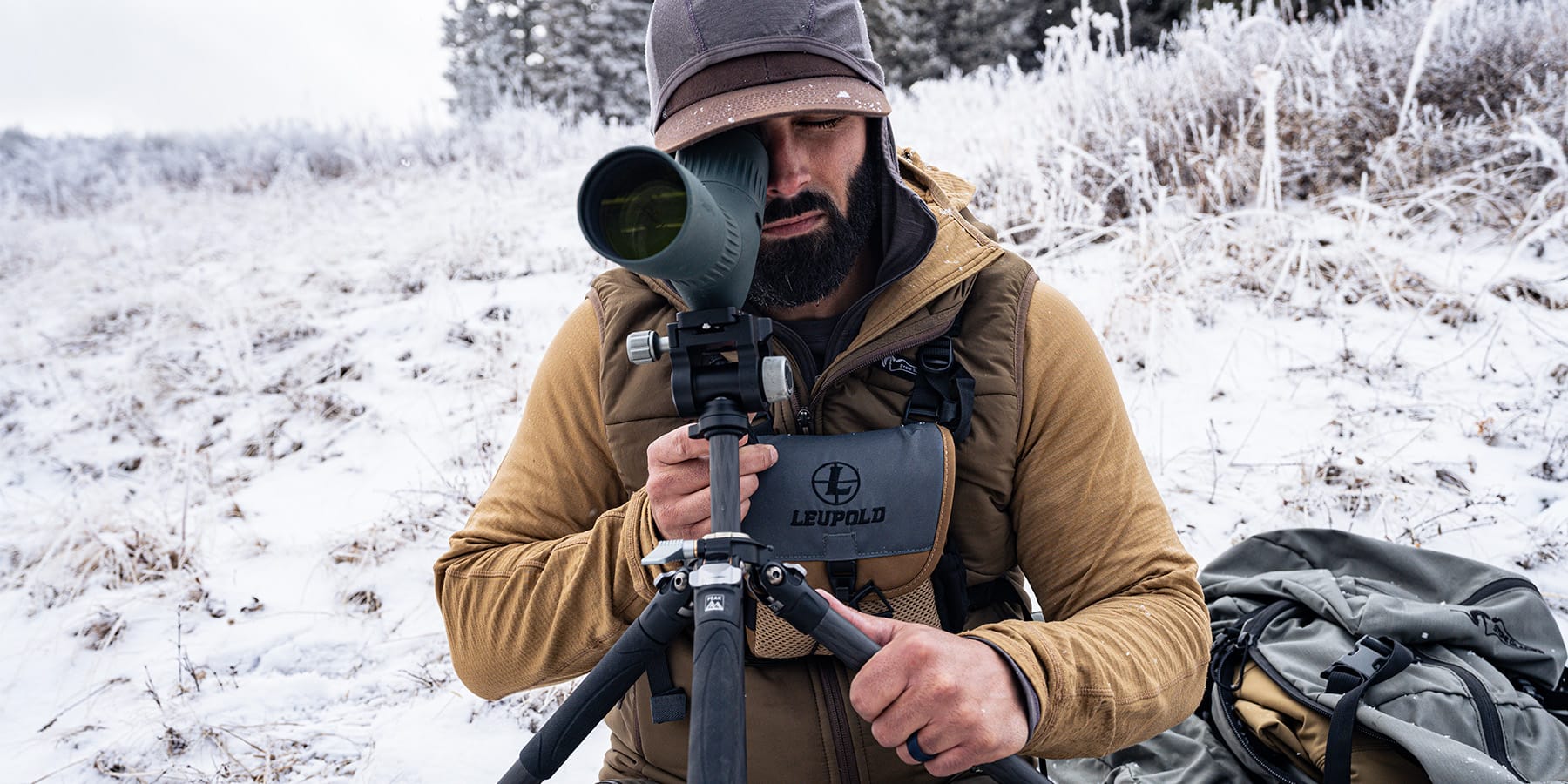
Peak 44 Teton Tripod
A MODULAR BINO HARNESS
FHF Gear FOB – MSRP $140
Leveling up your bino harness is a good idea before you head west and into the field. Just like any other piece of gear, there are tons of options out there. Our choice is the FHF Gear FOB Bino Pouch. It’s reasonably priced and is adjustable to fit any body size. The forward-flipping magnetic pouch makes it easy to access your binos in a quick flip of the top. FHF makes a ton of modular pouches that you can pick and choose as you build your setup. Additionally, the harness fits a wide variety of binocular sizes; they include a foam kit that you can adjust to fit your size of binos.
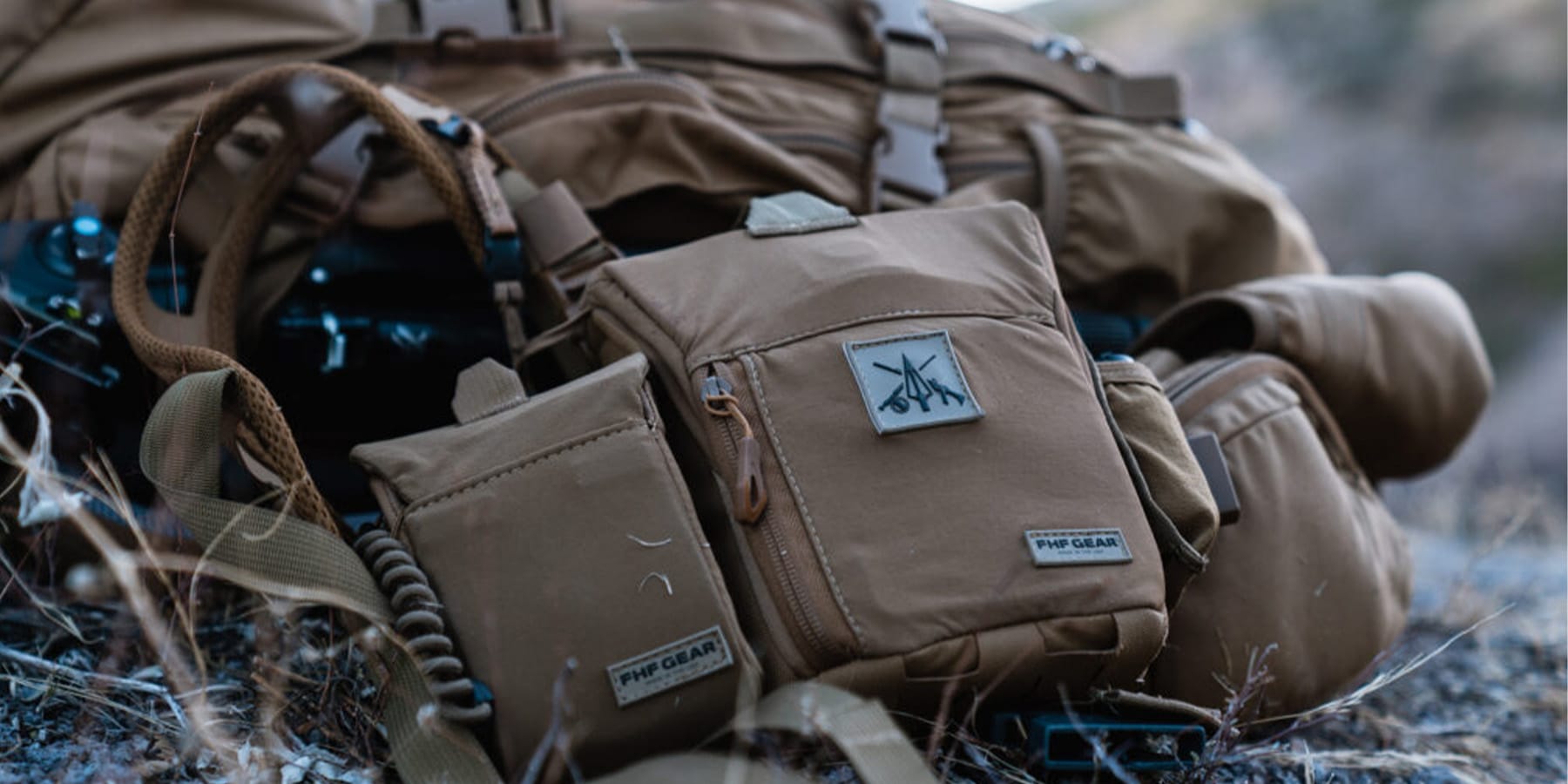
FHF Gear FOB Bino Harness
BUILDING YOUR LAYERING SYSTEM
Choose Your Brand
Clothes are often overlooked when it comes to preparing for a hunt. With a good layering system, you can be ready for any weather you encounter. Now, this depends a little bit on the time of year, elevation, and intensity of the hunt, but generally speaking, you want at least 4 depths to your layering system.
A Base-layer (clothes you will wear all the time)
• Lightweight short or long-sleeve shirt
• Vented and durable pants
• High-quality socks and underwear
The Mid-layer (clothes that will go in and out of the pack as needed)
• Soft-shell, weather-resistant jacket
• Wool, warm leggings
The Outer-layer (the warmest clothes that will go in and out of the pack as needed)
• Insulated puffy jacket
• Insulated puffy pants
The Rain Gear (weather-dependent that stays in your pack)
• Watertight rain jacket
• Watertight rain pants
Take the time to go to the store, try on different brands, and find what fits your body type. Don’t be afraid to try different styles and brands as you might find rain gear from one company is better than rain gear from another company.
Written by DJ Dean – Editor-in-Camo
Leave a Reply